
Mocktail and the Charm of Enjoying Fun, Refreshing, and Stylish Drinks for Every Occasion
Mocktails, or non-alcoholic cocktails, represent a growing trend in modern beverage culture that combines the fun, creativity, and aesthetics of traditional cocktails without the alcohol content. Defined broadly, a mocktail is a carefully crafted drink that mimics the taste and presentation of alcoholic cocktails but is free from any spirituous ingredients. This beverage style has gained significant traction due to increasing health awareness, changing social preferences, and the rise of alcohol-free lifestyle choices. Recent market analyses show that the global non-alcoholic beverage industry, including mocktails, has been expanding at a compound annual growth rate (CAGR) of over 7%, underlining its importance in hospitality and social settings.
This article explores the essence of mocktails, highlighting their key attributes such as versatility, health benefits, inclusivity, and stylish appeal. We will delve into definitions and characteristics, categorize types of mocktails, analyze their cultural significance, and discuss how they maintain the celebratory spirit traditionally associated with alcohol-based drinks—all while enhancing well-being and social acceptance.
Defining Mocktail as a Non-Alcoholic Beverage with Social and Sensory Appeal
The term “mocktail” was popularized in the early 2000s to describe cocktails prepared without alcohol yet emphasizing flavor complexity, presentation, and a festive spirit. According to Elaine Watson, a beverage industry expert, mocktails are “artfully designed drinks that provide the sensory experience of cocktails minus the alcohol, catering to a broad demographic seeking healthier or sober lifestyle options.” Mocktails share key characteristics such as the use of fresh ingredients, creative flavor combinations, garnishes, and sometimes sophisticated techniques like muddling or layering.
Statistically, the rise in alcohol abstinence, estimated at approximately 30% of adults in some Western countries as per a 2023 Nielsen survey, contributes directly to mocktail popularity. These drinks serve as inclusivity tools at social gatherings, offering non-drinkers flavorful alternatives without social exclusion or awkwardness.
Within the broader category of non-alcoholic beverages, mocktails are a hyponym of alcohol-free drinks including virgin cocktails, non-alcoholic beers, and alcohol-free wines. Their distinct feature lies in their crafted complexity and event-focused nature compared to everyday soft drinks or juices.
Categories of Mocktails: From Fruity and Tropical to Herbal and Savory
Mocktails can be categorized based on flavor profiles and ingredient emphasis:
- Fruity Mocktails: Emphasize fresh fruits and juices such as berries, citrus, and tropical fruits. These often resemble classics like virgin mojitos or piña coladas, providing vibrant colors and refreshing sweetness.
- Herbal and Botanical Mocktails: Incorporate herbs like basil, mint, rosemary, or spices such as ginger and cardamom. These drinks deliver complexity and aromatic depth, mimicking sophisticated cocktail elements.
- Savory and Umami-Inspired Mocktails: Utilize vegetables like tomato or cucumber, and umami-rich ingredients, targeting adult palates and occasions where flavor complexity is desired over sweetness.
These categories underline mocktails’ versatility, allowing adaptation to diverse taste preferences and occasions, from casual brunches to formal celebrations.
Health and Social Benefits Validating the Mocktail Trend
A key advantage of mocktails is their alignment with growing health-conscious behaviors. According to the World Health Organization (WHO), reducing alcohol intake significantly lowers risks of chronic diseases such as liver cirrhosis, cancers, and cardiovascular issues. Mocktails, as substitutes for alcoholic beverages, contribute to this public health objective while maintaining social enjoyment.
Moreover, mocktail consumption promotes inclusivity in social environments. Studies show that individuals abstaining from alcohol often feel marginalized; providing well-designed non-alcoholic options improves group dynamics and enjoyment. Bars and restaurants embracing mocktails have reported increased patron satisfaction and broadened clientele demographics.
Cultural and Practical Implications of Mocktails in Contemporary Social Settings
Mocktails are not only beverages but cultural signifiers of evolving social norms around drinking. The rise of sober-curious movements, supported by public figures and social media, has mainstreamed alcohol-free drinking as stylish, fun, and socially acceptable. According to a 2022 Beverage Marketing Corporation report, nearly 15% of millennials have actively chosen mocktails over traditional cocktails at events, reflecting a shift in consumption patterns.
In practice, mocktails enhance event planning and hospitality by providing options for diverse guests—including pregnant individuals, designated drivers, and those with medical restrictions. This adaptability has made mocktails an essential part of menus at weddings, corporate events, and casual parties alike.
Stylistic Trends and Presentation Impacting Mocktail Popularity
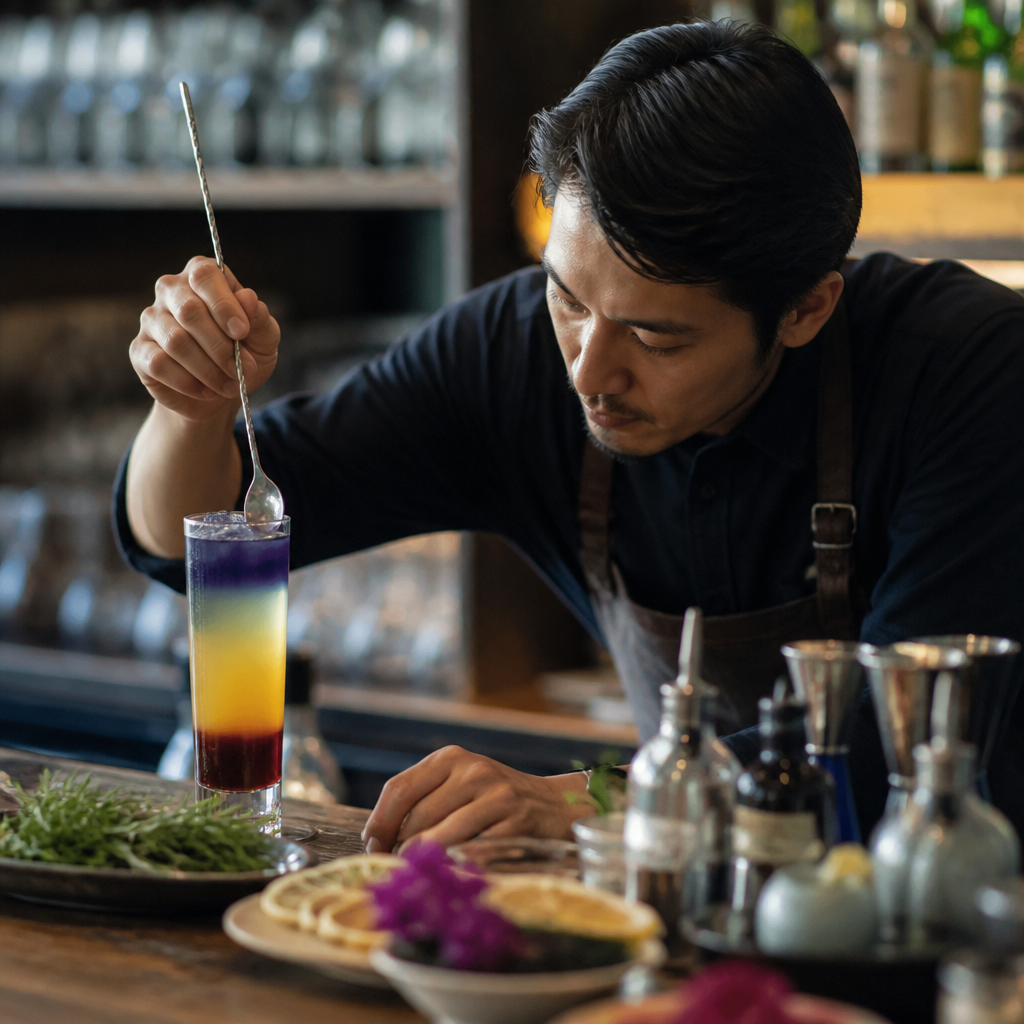
The visual appeal of mocktails parallels that of traditional cocktails, emphasizing glassware, garnishes, and color contrasts. Mixologists often employ techniques like layering liquids of different densities, smoke infusions, or edible flowers to elevate the sensory experience. This attention to detail reinforces the idea that non-alcoholic drinks can be equally sophisticated and Instagram-worthy, driving social media buzz and consumer interest.
Conclusion: Embracing Mocktails for Health, Social Inclusion, and Enjoyment
Mocktails encapsulate the charm of drinking rituals by providing alcohol-free yet flavorful, stylish, and enjoyable alternatives. Their well-defined categories—from fruity to herbal and savory—illustrate their adaptability to diverse palates and occasions. The health benefits and social inclusivity underscore their relevance in today’s evolving cultural landscape. As both consumers and hospitality industries increasingly value wellness and diversity, mocktails stand out as a compelling choice that combines fun, refreshment, and sophistication.
For individuals and event planners alike, embracing mocktails represents a step toward mindful enjoyment that respects personal preferences without compromising style or social connection. Further exploration into creative recipes and presentation techniques can continue to elevate the mocktail experience, helping it gain even stronger footing across cultures and contexts worldwide.