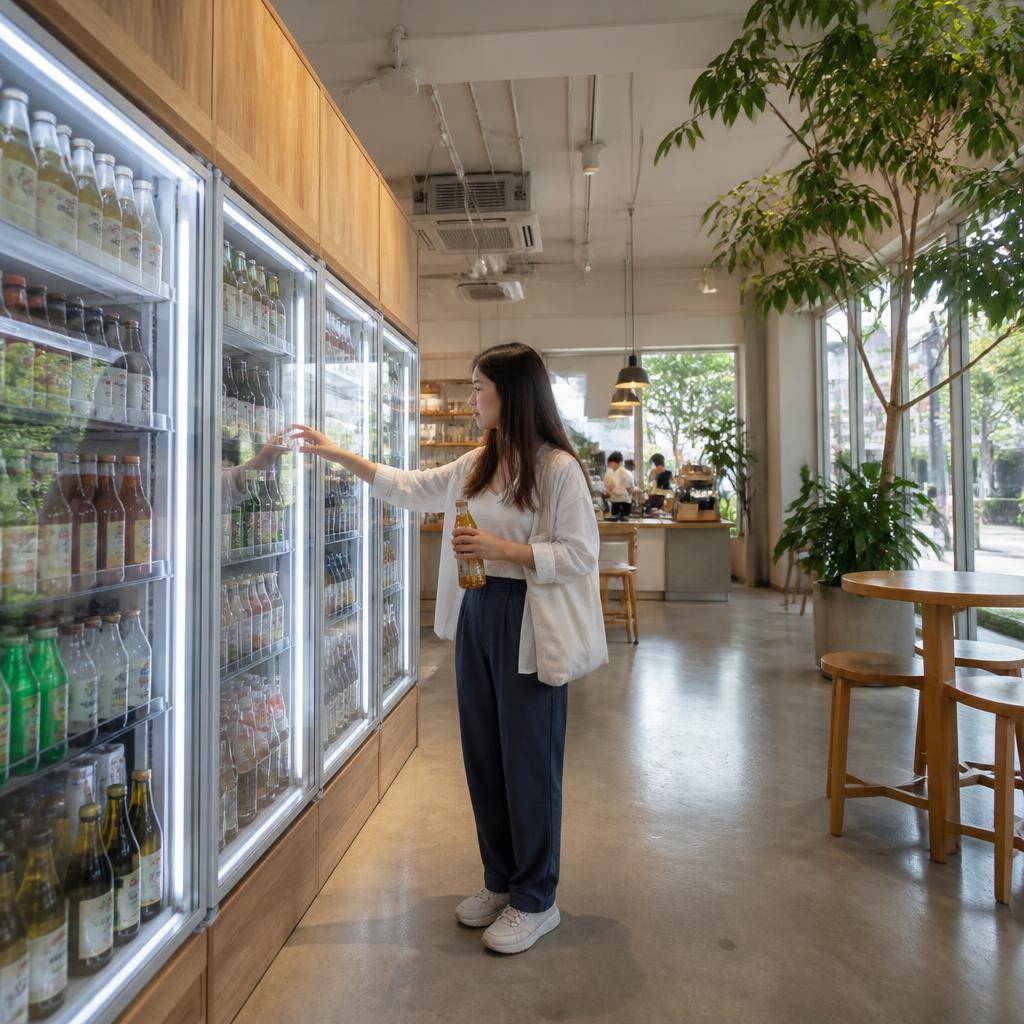

Low-Alcohol Beverages and Their Role in Modern Mindful Drinking
Low-alcohol beverages, defined as drinks containing a reduced percentage of alcohol compared to traditional alcoholic beverages, have emerged as a significant trend in contemporary drinking culture. This shift is driven by growing consumer awareness around health, wellness, and responsible consumption. Modern lifestyles that prioritize balance, productivity, and social responsibility have propelled the popularity of low-alcohol options as a viable alternative to heavy drinking. Studies reveal substantial increases in demand for beverages with lower alcohol by volume (ABV), reflecting broader societal movements toward moderation and mindfulness. This article explores the definition, characteristics, and benefits of low-alcohol drinking, illustrating how it connects with evolving lifestyle trends and offering insights into its potential as a solution for reducing alcohol-related harms while maintaining social enjoyment.
Definition and Key Characteristics of Low-Alcohol Beverages
Low-alcohol beverages are typically defined as drinks containing less than 3.5% ABV, according to the World Health Organization (WHO). Dr. Tim Stockwell, a leading researcher in alcohol policy, identifies low-alcohol drinks as those designed to deliver the social benefits of drinking while minimizing intoxication and health risks. This category includes a wide range of products such as low-alcohol beers, wines, spritzers, and ready-to-drink cocktails, all crafted to appeal to consumers seeking moderation.
Key characteristics of low-alcohol beverages include:
- Reduced alcohol content typically below 3.5% ABV.
- Lower calorie counts compared to their full-strength counterparts.
- Flavor profiles designed to mimic traditional alcoholic beverages.
- Positioning as wellness-friendly and suitable for extended social occasions without severe intoxication.
Market data from the International Wine and Spirit Research (IWSR) shows that low-alcohol and no-alcohol segments have grown by over 25% globally since 2018, reflecting a notable consumer shift.
Hyponyms of Low-Alcohol Beverages
Within the category of low-alcohol beverages, subtypes vary based on production methods and alcohol content:
- Low-Alcohol Beer: Beers ranging from 0.5% to 3.5% ABV, often labeled as “light” or “session” beers, offering traditional beer taste with milder effects.
- Low-Alcohol Wine: Wines diluted or specially processed to achieve lower alcohol levels, often containing between 1.0% and 3.5% ABV.
- Alcohol-Reduced Spirits: Spirit-based beverages that retain characteristic flavors but reduce alcohol to lower ABV, often used in ready-to-drink cocktails.
- Non-Alcoholic Alternatives: Drinks with less than 0.5% ABV, often marketed alongside low-alcohol beverages for those abstaining fully yet wanting flavor similarity.

Health and Lifestyle Benefits of Low-Alcohol Consumption
Low-alcohol drinking aligns with the global trend of mindful consumption, which prioritizes health and well-being. According to a 2022 report by the Centers for Disease Control and Prevention (CDC), excessive alcohol use contributes to approximately 95,000 deaths annually in the United States alone, highlighting a public health imperative for alternatives.
Switching from heavy drinking to low-alcohol beverages can reduce risks such as liver disease, cardiovascular problems, and impaired cognition. Furthermore, lower alcohol intake improves sleep quality, mental clarity, and weight management. Consumer surveys suggest that individuals who adopt low-alcohol options report enhanced social interactions due to reduced intoxication and better control.
Psychosocial and Cultural Implications
The rise of low-alcohol products also reflects cultural shifts toward social responsibility and inclusivity. Many workplaces and social venues now endorse “sober curious” or “mindful drinking” movements, encouraging individuals to moderate consumption without social stigma. Events featuring low-alcohol drinks foster a setting where participation does not equate to intoxication, supporting safer social environments.
Research published in the Journal of Substance Use (2023) notes that low-alcohol choices diminish peer pressure associated with heavy drinking by offering appealing alternatives that blend style and moderation.
Market Trends and Consumer Preferences Driving Low-Alcohol Growth
In response to changing consumer values, the beverage industry has invested heavily in developing and marketing low-alcohol options. Nielsen’s 2023 beverage report indicates that millennials and Gen Z consumers are the fastest-growing demographic purchasing low-alcohol products, motivated by greater health consciousness and a desire for balanced lifestyles.
Key drivers include:
- Increased focus on wellness and self-care.
- Greater regulatory support for promoting responsible drinking.
- Innovations in flavor technology making low-alcohol drinks more palatable.
- Social media influence encouraging transparent and authentic lifestyle choices.
Notable examples include major brands like Heineken and Diageo expanding their low-alcohol portfolios, and new startups specializing in craft low-alcohol beverages catering to niche tastes.
Case Studies: Adoption in Different Markets
Europe leads the low-alcohol market, with Germany and the UK showing the highest penetration rates due to cultural acceptance and government incentives promoting alcohol harm reduction. In Asia, countries like Japan are innovating with low-alcohol sake and cocktails, aligning with health trends among younger consumers.
In Thailand, emerging awareness campaigns paired with rising urban middle-class demand have expanded low-alcohol options in bars and supermarkets, signaling a promising future for mindful drinking in the region.
Conclusion: The Broader Implications of Embracing Low-Alcohol Lifestyles
Transitioning from heavy drinking to low-alcohol consumption represents more than a simple beverage choice; it embodies a holistic lifestyle shift toward balance, health, and conscious socializing. By understanding the benefits and characteristics of low-alcohol drinks, consumers can make informed decisions that reduce health risks while maintaining cultural and social engagement. As market trends and cultural values continue to evolve, low-alcohol beverages stand as a promising solution to modern drinking challenges, promoting wellness without sacrificing enjoyment.
For individuals and policymakers alike, encouraging the adoption of low-alcohol alternatives offers a practical pathway to reduce alcohol-related harm globally. Further reading on alcohol harm reduction strategies and current market innovations is recommended to deepen understanding and support ongoing lifestyle transformation.