

Non Alcoholic Beer as a Reflection of Contemporary Consumer Behavior
Non alcoholic beer, or เบียร์ไม่เมา in Thai, refers to beer beverages that contain little to no alcohol, usually less than 0.5% ABV. This category of beer has seen a significant rise in global and local popularity in recent years, reflecting evolving consumer preferences towards health-conscious choices, moderation, and lifestyle balance. In Thailand and worldwide, the growing demand for non alcoholic beer mirrors broader societal shifts such as increasing awareness about alcohol’s health impacts, changing social norms, and the influence of wellness trends. According to market research, the global non alcoholic beer market is projected to grow at a compound annual growth rate (CAGR) of over 7% through 2027, indicating strong consumer adoption. This article explores how the trend of เบียร์ไม่เมา encapsulates changes in consumer behavior, supported by data and analysis across health, social, and demographic factors.
Definition and Key Characteristics of Non Alcoholic Beer
Non alcoholic beer is defined by the Alcohol and Tobacco Tax and Trade Bureau (TTB) in the United States as beer containing less than 0.5% alcohol by volume (ABV). Dr. Karen Ertman, a nutrition expert, describes non alcoholic beer as a “beer-style beverage formulated to capture the traditional flavors of beer without the intoxicating effects.” The category includes a variety of styles such as lagers, ales, and stouts formulated to exclude or remove alcohol through specialized brewing processes.
Key characteristics of non alcoholic beer include:
- Alcohol content below 0.5% ABV
- Retention of traditional beer flavors and aromas
- Calorie content typically lower than regular beer
- Appeal to consumers seeking moderation without sacrificing social drinking experiences
Hyponyms under the non alcoholic beer umbrella include alcohol-free beer, low-alcohol beer, and de-alcoholized beer, each differentiated by their specific brewing techniques or alcohol content thresholds.
Consumer Health Awareness Driving Non Alcoholic Beer Popularity
Health-Conscious Consumer Trends
The rise of non alcoholic beer correlates strongly with increasing health consciousness globally. Consumers are increasingly aware of the negative health effects associated with excessive alcohol consumption, such as liver disease, obesity, and impaired mental health. The World Health Organization (WHO) reports that alcohol is a causal factor in over 200 disease and injury conditions.
In Thailand, a 2023 survey by the Ministry of Public Health found that 38% of respondents sought lower-alcohol or no-alcohol beverage alternatives to improve overall well-being. The availability of เบียร์ไม่เมา meets this demand by offering the social and sensory experience of beer without the health risks linked to alcohol.
Moderation and Mindful Drinking
Another factor is the growing trend of moderation, particularly among millennials and Gen Z consumers. Studies published in the Journal of Consumer Research highlight how younger consumers prefer “mindful drinking,” opting for lower alcohol or alcohol-free options to maintain control over their consumption while still enjoying social rituals.
In Thailand, busy urban professionals and health-focused consumers are shifting towards beverages that align with their active lifestyles, making เบียร์ไม่เมา a convenient choice for occasions where they want to avoid intoxication but remain part of social drinking culture.
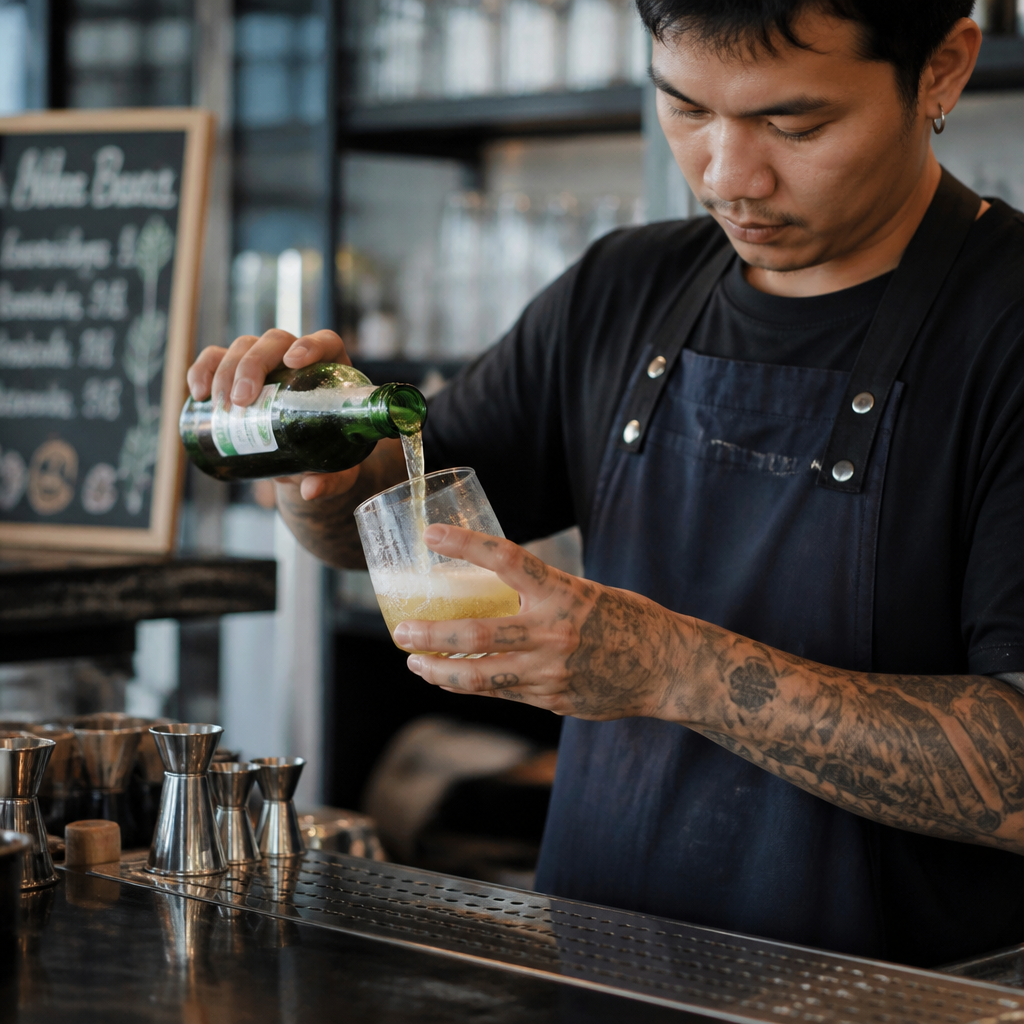
Social and Cultural Shifts Influencing Non Alcoholic Beer Consumption
Changing Social Norms and Inclusivity
Social acceptance of non alcoholic beer has expanded as more consumers seek beverages that fit inclusive lifestyle choices. This includes designated drivers, pregnant women, those in recovery from alcohol dependency, and individuals observing religious or personal abstinence from alcohol.
The inclusive appeal broadens the non alcoholic beer market, allowing for more diverse social participation. Market data from Euromonitor International shows that social groups and workplaces increasingly encourage alternatives to alcoholic drinks, boosting non alcoholic beer sales.
Urbanization and Lifestyle Changes
Rapid urbanization and modernization in Thailand have accelerated lifestyle changes, with consumers placing premium value on health, convenience, and social connectivity. Non alcoholic beer fits well in environments such as fitness events, business gatherings, and family-oriented leisure activities where alcohol consumption may be limited or undesirable.
This cultural shift is reflected in marketing strategies by beer companies who emphasize the trendy, modern lifestyle associated with เบียร์ไม่เมา as opposed to traditional heavy drinking cultures.
Market Trends and Economic Impact of Non Alcoholic Beer
Growth Metrics and Consumer Segmentation
The global non alcoholic beer market was valued at approximately USD 17 billion in 2022 and is expected to surpass USD 30 billion by 2027 (Statista, 2023). Southeast Asia, including Thailand, represents a rapidly expanding sub-market due to rising health awareness and younger demographics.
Consumer segments include health-conscious individuals, religious abstainers, young adults seeking moderation, and occasional drinkers who prefer the taste without effects. Brands like Heineken 0.0 and Thai Craft Beer’s alcohol-free variants have captured significant market share by tailoring to these segments.
Case Study: Thai Craft Beer Innovation
Thai craft breweries have leveraged the trend by introducing localized non alcoholic beer products infused with regional flavors such as lemongrass and kaffir lime, appealing to both traditional palates and modern preferences. This innovation not only boosts sales but also supports the diversification of Thailand’s beverage industry amid shifting consumer habits.
Conclusion: The Broader Implications of Non Alcoholic Beer in Contemporary Consumption
Non alcoholic beer (เบียร์ไม่เมา) embodies the shifting landscape of consumer behavior, driven by enhanced health awareness, social inclusivity, and evolving cultural norms. Its growth signals a move towards mindful drinking and wellness-centric lifestyles, reflected in strong market performance and broad demographic appeal.
Understanding this trend is crucial for businesses, policymakers, and health advocates aiming to address public health goals while supporting consumer freedom. Future research and innovations could further adapt products to meet diverse needs, ensuring that เบียร์ไม่เมา continues to thrive as a socially and economically relevant beverage choice.
For further exploration, readers may consider examining detailed market analytics from Euromonitor or the WHO reports on alcohol consumption, as well as studying emerging consumer trends in Southeast Asia’s beverage industry.